Newsroom

Grants, coverage, field accounts and recognition from 2011 onward — each entry linked to the organisation that published it.

News

Grants, milestones and developments recorded by the organisations involved.

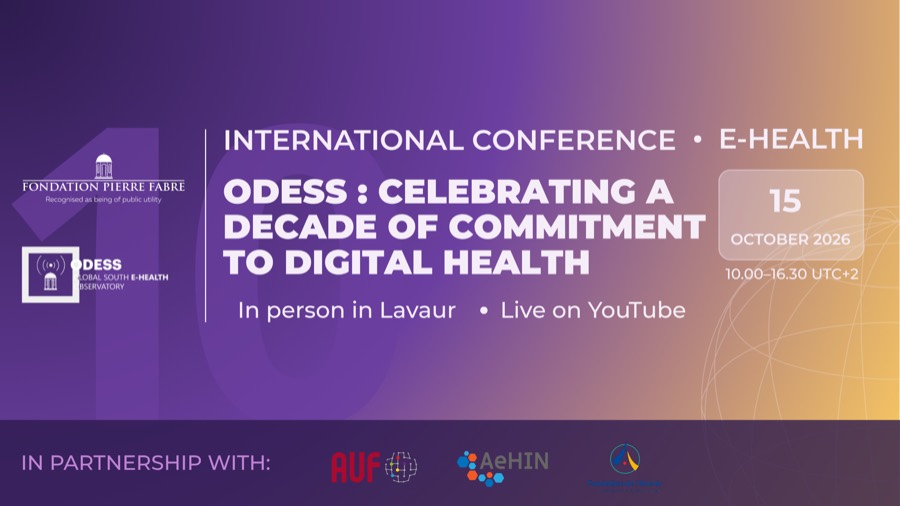
Banner for the 2026 ODESS conference marking a decade of the Global South eHealth Observatory
ODESS — Fondation Pierre Fabre

Amakomaya speaks at the ODESS decade conference in Lavaur, France

The Global South eHealth Observatory marks ten years at the Fondation Pierre Fabre with a conference held in person and livestreamed. The programme includes ODESS Talks, in which past award winners present their initiatives; Ram Chandra Poudel represents Amakomaya in that session.
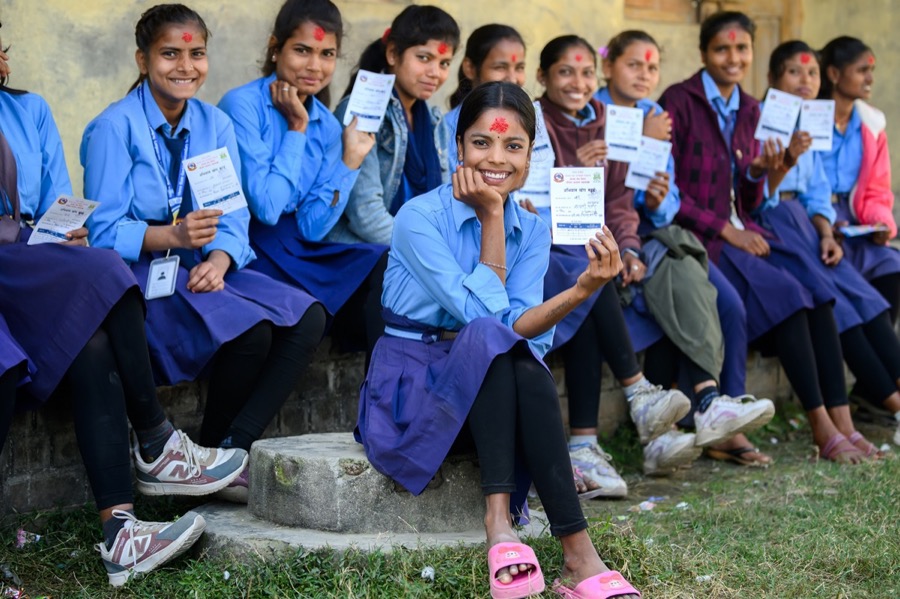
Schoolgirls in Nepal holding HPV vaccination cards
WHO Nepal
World Health Organization — Nepal

Nepal vaccinates over 1.46 million girls against HPV

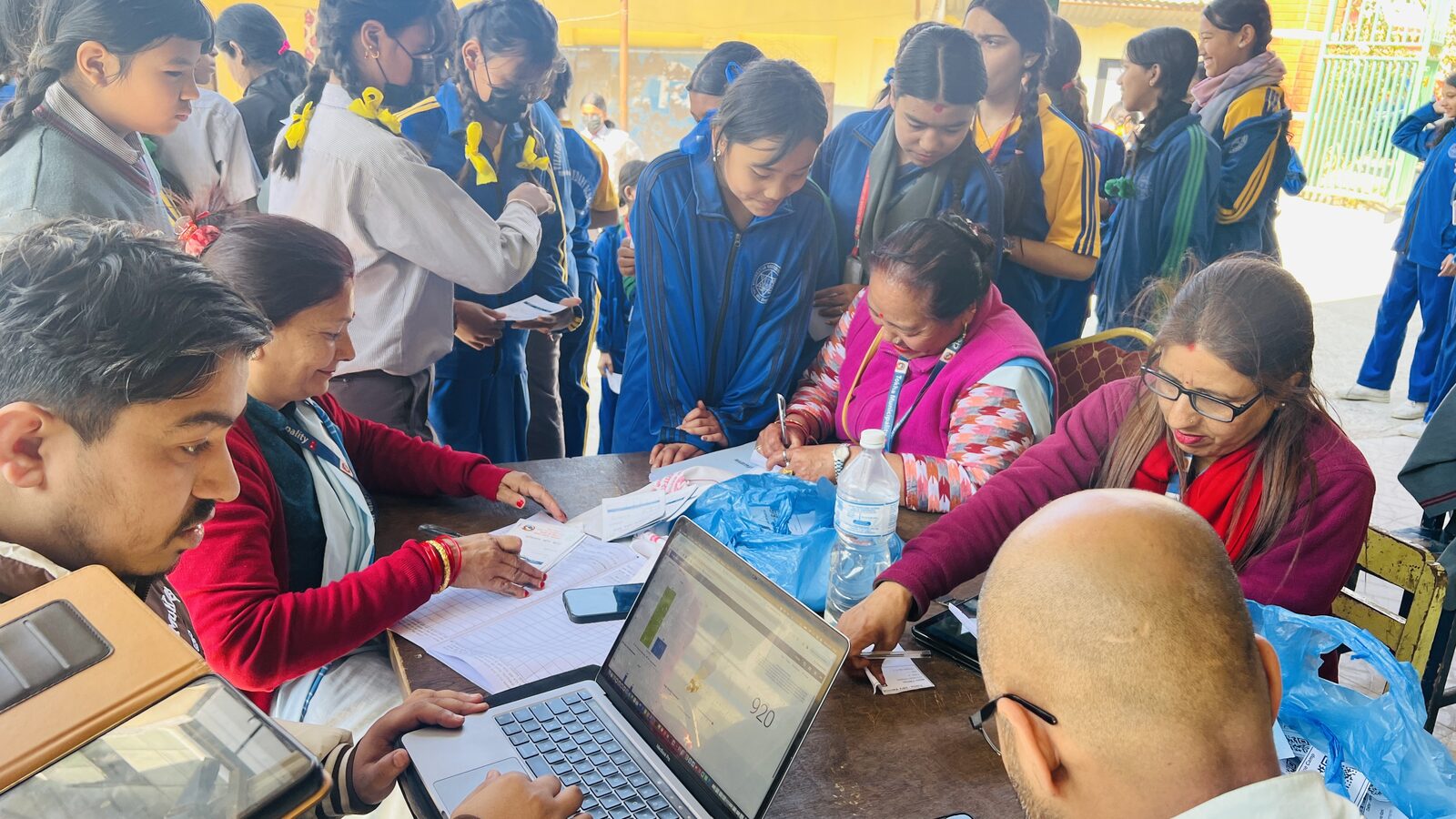
WHO reports that Nepal’s national HPV campaign, launched on World Cancer Day, 4 February 2025, reached more than 1.46 million adolescent girls at 94% administrative coverage, targeting girls in grades 6–10 and out-of-school girls aged 10–14. The campaign was led by the Government of Nepal with Gavi, WHO and UNICEF, and the vaccine has since been folded into the National Immunization Program. This is the national campaign our Tokha field support fell within.

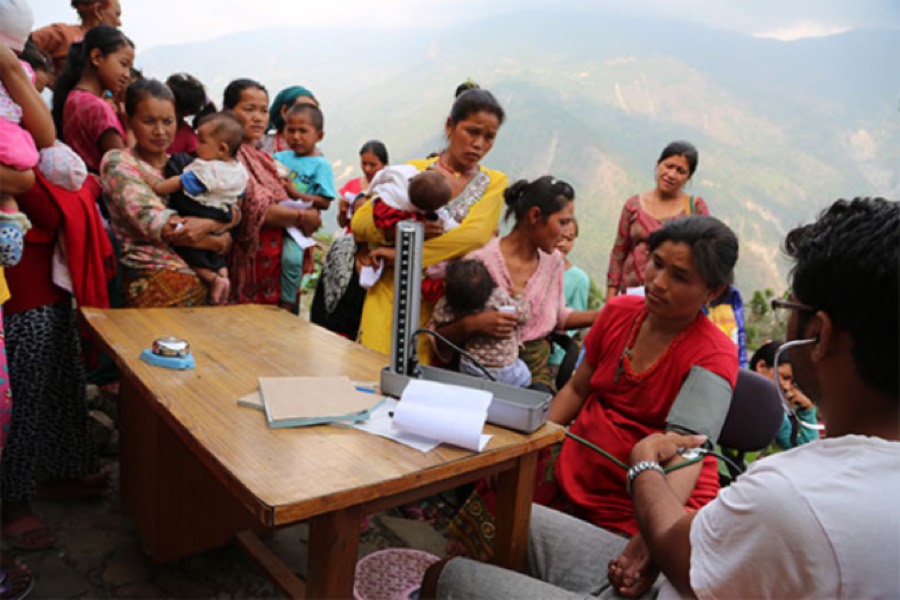
Mothers and infants waiting at an outdoor health check on a Nepali hillside
ODESS — Fondation Pierre Fabre

Ministry of Health ran the platform as an Information Management Unit through COVID-19

The Observatory’s initiative profile states that “during the covid-19 pandemic, the Ministry of Health and population (MoHP) of Nepal used the Amakomaya APP to track covid-19 cases using the app as an Information Management Unit (IMU) and to generate vaccination digital certificates”. It adds that the maternal tracking system was reused to identify and follow COVID-19 cases and to share results with local government and hospitals. The same profile lists the Patan Academy of Health Sciences, the Ministry of Health and Population and GIZ as partners, records a project start of 3 September 2012, and reports 650,000 beneficiaries since launch.

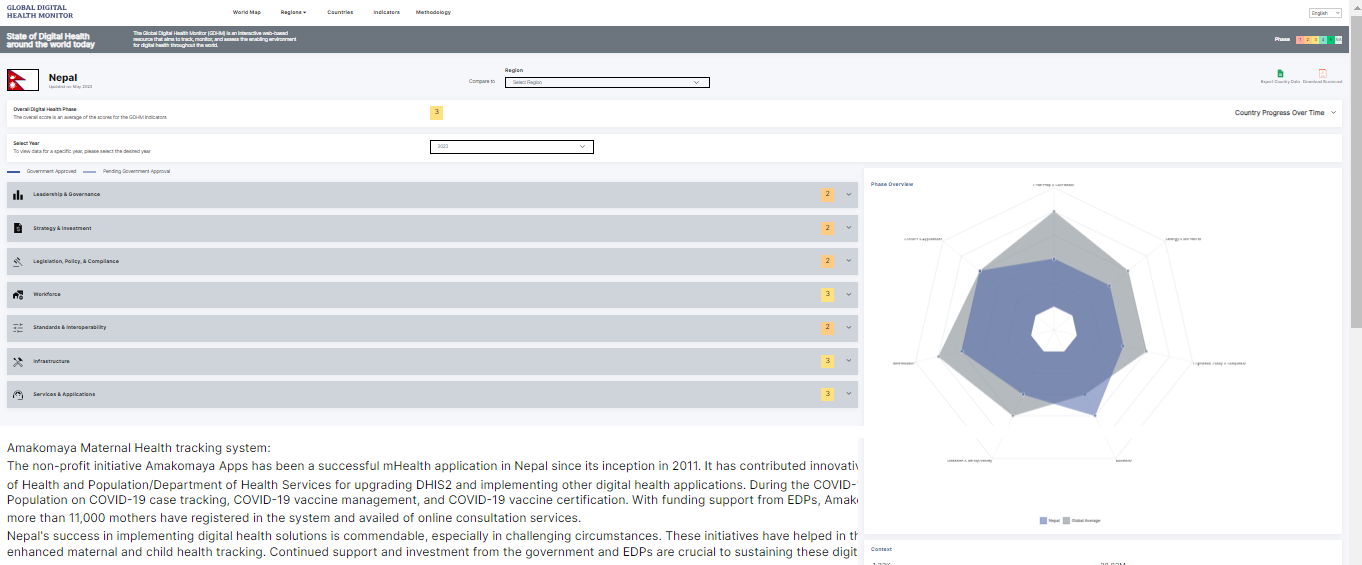
The Global Digital Health Monitor’s Nepal country profile showing the Amakomaya section
Global Digital Health Monitor
Global Digital Health Monitor — Nepal country profile

Global Digital Health Monitor’s Nepal profile records the maternal tracking system

The Monitor’s Nepal profile carries a section headed “Amakomaya Maternal Health tracking system”, which states that “the non-profit initiative Amakomaya Apps has been a successful mHealth application in Nepal since its inception in 2011”. It credits the initiative with technical support to the Ministry of Health and Population / Department of Health Services for upgrading DHIS2 and implementing other digital health applications, names COVID-19 case tracking, vaccine management and vaccine certification among that work, and reports that more than 11,000 mothers have registered in the system and used online consultation services. The profile is rendered in the browser rather than served as HTML, so the picture here is a capture of the profile itself.

Icon of the IMU Nepal Android application
Google Play listing
Google Play listing record, via APKCombo

IMU Nepal — the Ministry’s Information Management Unit app

The store record for IMU Nepal names Yagiten Pvt. Ltd as publisher — the same entity named in the ISIF Asia grant and the mBillionth entry — under the package id com.aamakomaya.hamrosurvey. It describes the app as “the official application from the Information Management Unit of Nepal Ministry of Health and Population. For tracking, managing, monitoring the Health Information System”, in the Medical category, at version 4.1.0 with over 5,000 installs. The app is no longer listed on Google Play, so this mirrored listing is the surviving public record.

ISIF Asia grants programme banner
APNIC Foundation
APNIC Foundation — ISIF Asia

ISIF Asia funds the mobile application for pregnant women in Nepal

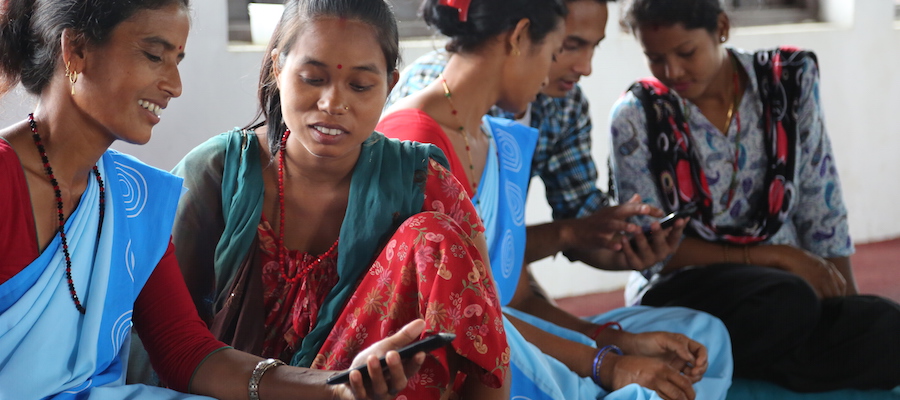
The APNIC Foundation records an ISIF Asia grant of AUD 30,000 to Yagiten Pvt. Ltd. in Nepal for “Developing Mobile Based Application to Support Pregnant Women”. The project page describes an Android application distributing localised prenatal, natal and postnatal content as video, audio and text, with Female Community Health Volunteers trained to register pregnant women door to door and connect them to nearby health posts.

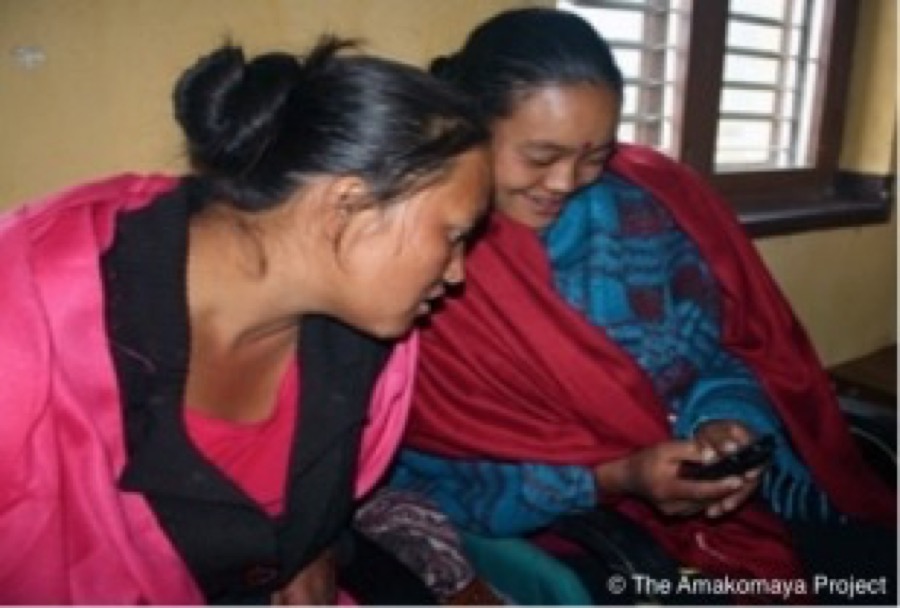
Two women in Nepal looking at pregnancy content on a mobile phone
The Amakomaya Project
E-Networking Research and Development (ENRD)

An Internet Society community grant starts the project

ENRD’s project page records a US$4,000 Internet Society community grant, awarded to Rajendra Prasad Poudel through the ISOC Next Generation Leadership programme, as the funding that started Amakomaya. It describes a web and mobile service delivering audio, text and video on safe pregnancy and newborn care, with the first content sent at 12 weeks of gestation and messaging extended to family members after 28 weeks.

Media Coverage

Where the work has been written about, filmed or profiled by others.

Title card from the ODESS film reading Amakomaya, Laureate 2017, Nepal
ODESS — Fondation Pierre Fabre

ODESS Talks publishes a short film on Amakomaya

The Global South eHealth Observatory, which recognised Amakomaya with a 2017 award, published a short film introducing the maternal health platform ahead of its October conference.

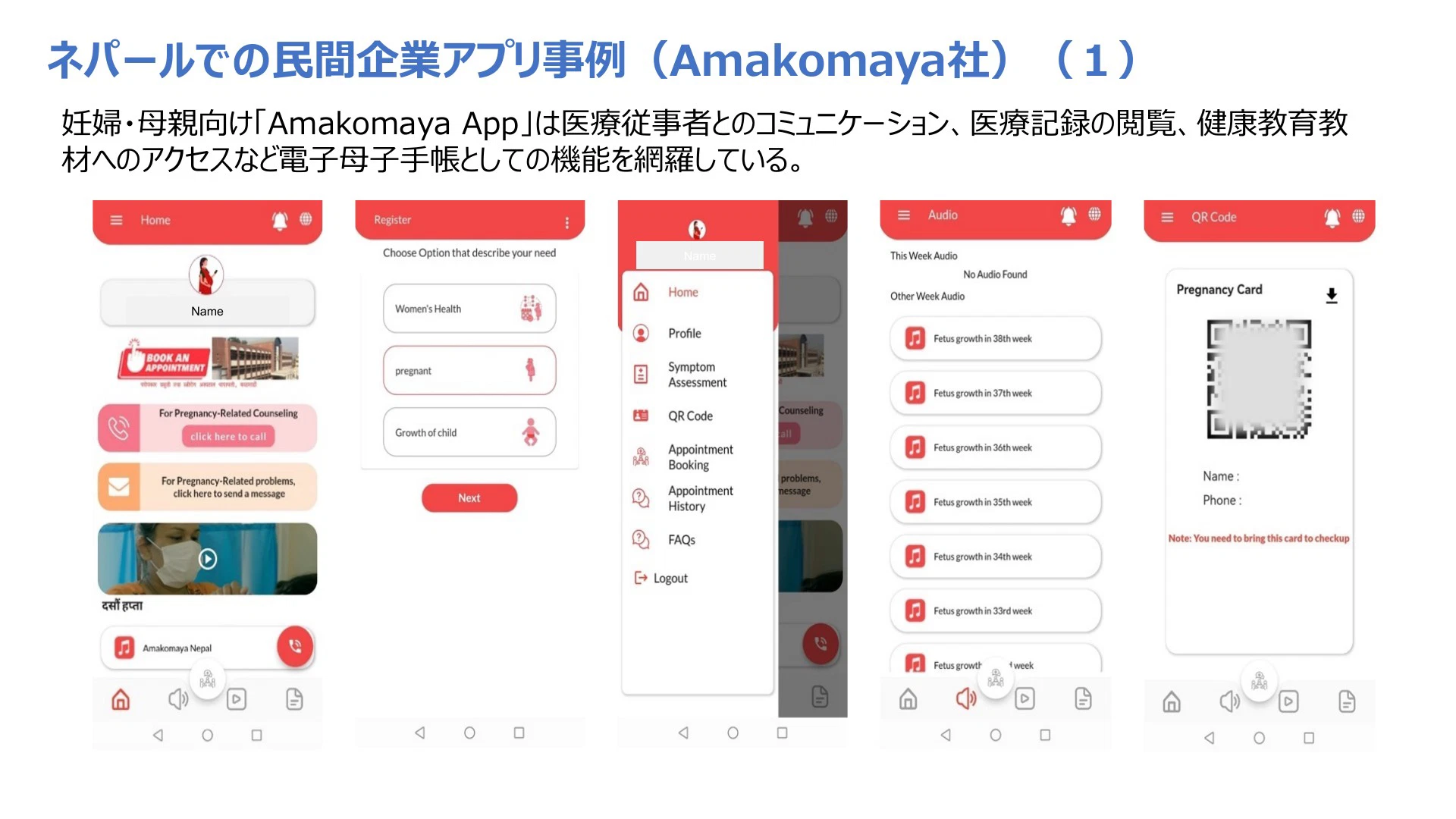
Presentation slide showing Amakomaya app screens under a Japanese heading
Shinji Kobayashi
Shinji Kobayashi, on Docswell

A Japanese open source cooperation talk uses the app as its Nepal case

A deck on the possibilities of open source software in international cooperation devotes slides 19–20 to “ネパールでの民間企業アプリ事例(Amakomaya社)” — a private-sector app case in Nepal. The slides describe the app as covering electronic maternal and child handbook functions for pregnant women and mothers, including communication with health workers, access to medical records and health education material, and present it as one part of an ecosystem rooted in the local health system and its clinical processes.

APNIC Foundation International Women’s Day 2024 banner
APNIC Foundation

APNIC Foundation revisits Amakomaya’s early days

In an International Women’s Day piece on women in the Foundation’s grant portfolio, Sylvia Cadena looks back at the cohort of projects around Amakomaya’s beginnings, writing that “Amakomaya was giving its first steps towards maternal health in Nepal”.

Onlinekhabar’s article “7 Nepali apps to make women’s lives better”
Onlinekhabar
Onlinekhabar English

Onlinekhabar counts the app among seven built for women in Nepal

The round-up lists Amakomaya third, noting it was “created with the help of ISIF-Asia and Yagiten Pvt Ltd”, that it lets health service providers follow the stages of a pregnancy, and that its instructional video and audio sessions are localised in Nepali so that readers with little formal education can follow them. The piece also singles out the Jhuwani Community Library in Chitwan for building a service around the app.

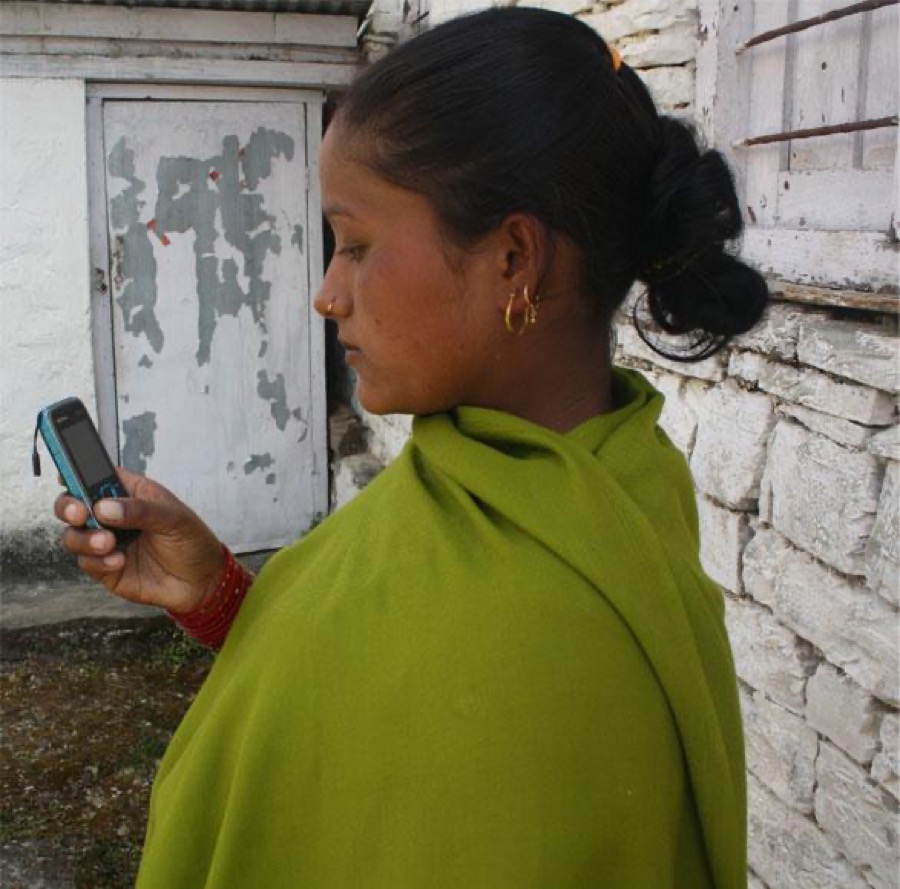
A woman in Nepal using a mobile phone outside her home
1 World Connected

1 World Connected publishes an Amakomaya case study

The connectivity research project profiles Amakomaya among its case studies, dating the start to 2011 and listing the Internet Society and ISIF Asia grants alongside the Patan Academy of Health Sciences, the Ministry of Health and Population and Yagiten Pvt. Ltd. as partners. It describes offline-capable audio, video and text content matched to the stage of pregnancy.

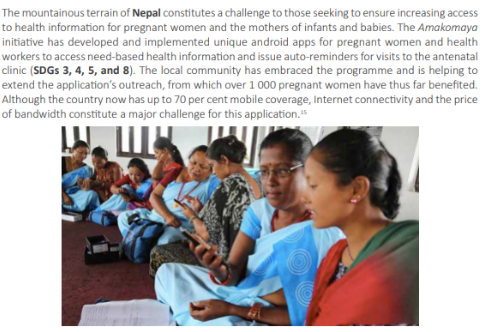
The Amakomaya entry as printed in ITU’s 2016 WSIS stocktaking report
ITU
ITU — WSIS Stocktaking Report in Asia and the Pacific 2016 (PDF)

ITU’s WSIS stocktaking report for Asia and the Pacific profiles the initiative

The report writes that “the mountainous terrain of Nepal constitutes a challenge to those seeking to ensure increasing access to health information for pregnant women and the mothers of infants and babies”, and that the Amakomaya initiative “has developed and implemented unique android apps for pregnant women and health workers to access need-based health information and issue auto-reminders for visits to the antenatal clinic”, tying the work to SDGs 3, 4, 5 and 8. It records over 1,000 pregnant women benefiting at the time of writing, and names internet connectivity and the price of bandwidth as the remaining constraint despite up to 70 per cent mobile coverage.

Illustration from the Internet Society’s International Women’s Day article
Internet Society

Internet Society lists Amakomaya among ways the Internet empowers women

Writing for International Women’s Day, Kathryn Brown includes the project in a round-up of ten initiatives: “The Amakomaya project (or Mother’s Love) was started to provide women in rural Nepali villages with life saving digital content in their own local language via the Internet.”

Field Stories

What the deployment looked like on the ground, and who documented it.

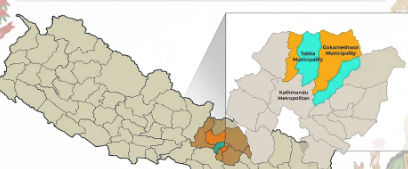
Health workers and participants at the HPV vaccination camp in Tokha
Amakomaya

HPV vaccination camp, Tokha

Field support at an HPV camp in Tokha, working alongside frontline health workers on system use and data quality. The camp fell in the two-week window of Nepal’s national HPV campaign, which WHO reports launched on 4 February 2025.

Women seated outside a rural health post in Mugu using mobile phones
The Amakomaya Project
Amakomaya project blog

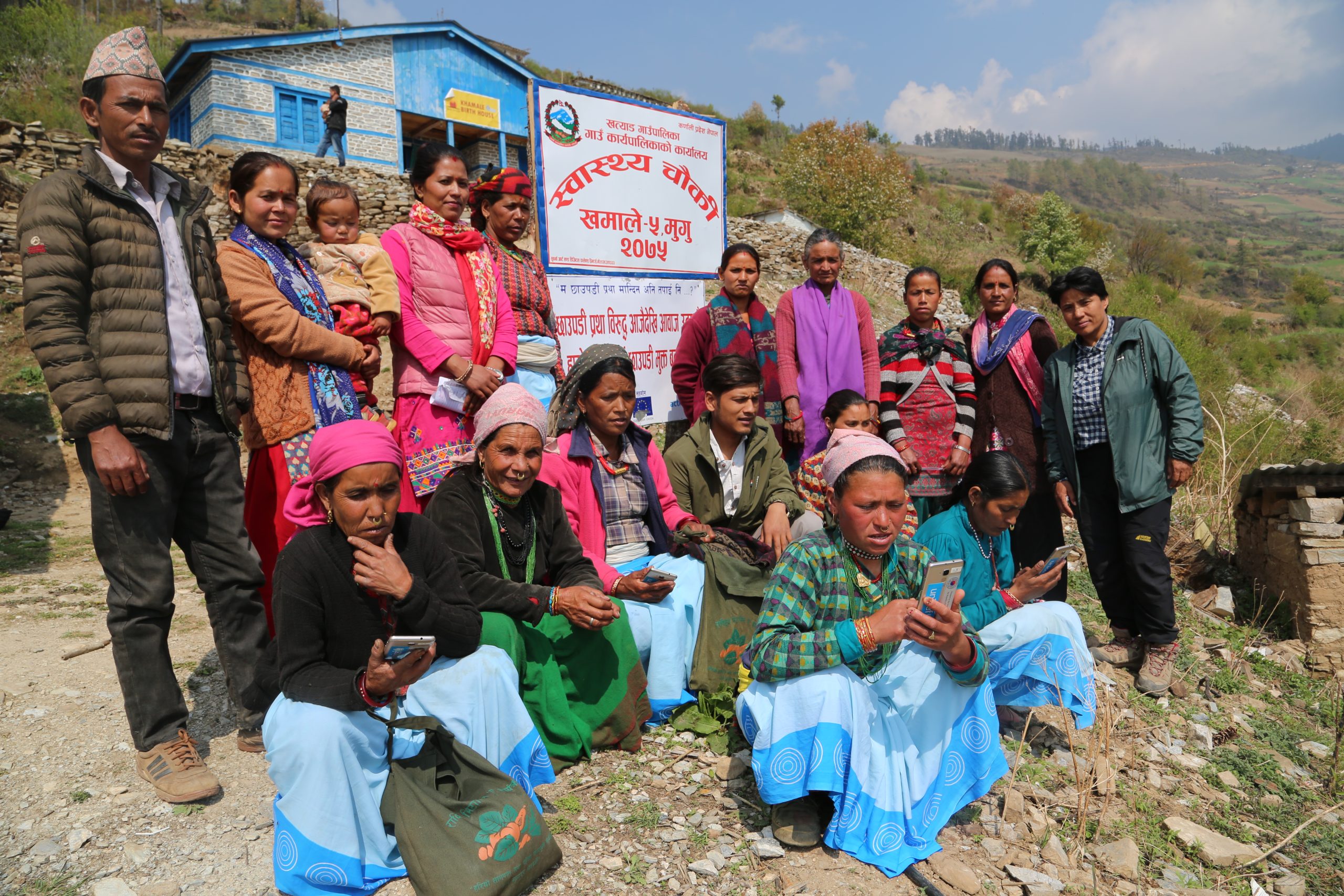
Training Female Community Health Volunteers in Kathyad, Mugu

The note covers implementation with Female Community Health Volunteers at Kathyad in Mugu, a district of the mid-western hills bordering Dolpa, Bajura, Humla, Kalikot and Jumla, where the blog puts the lowest point at 1,201 metres and the highest at 6,717 metres above sea level.

Amakomaya project blog

Relief and health camp in Nuwakot after the earthquake

The blog describes relief and health camp work in Nuwakot following the Gorkha earthquake of 25 April 2015, which it records as killing more than 8,000 people, injuring more than 16,000 and flattening entire villages across many districts.

Female Community Health Volunteers in Chitwan using mobile phones together
READ Global

A Chitwan community library puts the app in mothers’ hands

READ Global reports that its Jhuwani Community Library in Chitwan taught pregnant women and Female Community Health Volunteers to download and use Aamako Maya, with library staff operating the app on behalf of women who could not read or had no phone. The account names the District Public Health Office as a collaborator and describes locally produced content on post-natal care and uterine prolapse prevention.

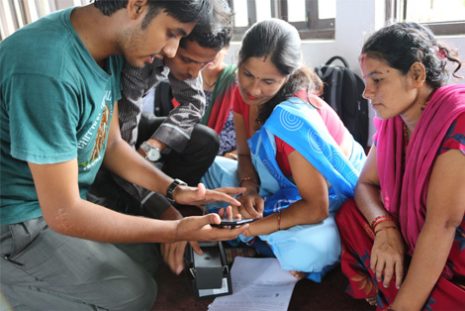
A field worker showing the app on a phone to women seated around a table
The Amakomaya Project
Amakomaya project blog

The programme launches at a community library in Chitwan

The project blog records the launch in Bacheuli Village Development Committee, Chitwan, on 21 June 2014, held at the Jhuwani Community Library with the VDC chief, health workers, Female Community Health Volunteers, pregnant women, library staff and local residents present.

First page of the ISIF Asia technical report for the project
APNIC Foundation
APNIC Foundation — ISIF Asia (PDF)

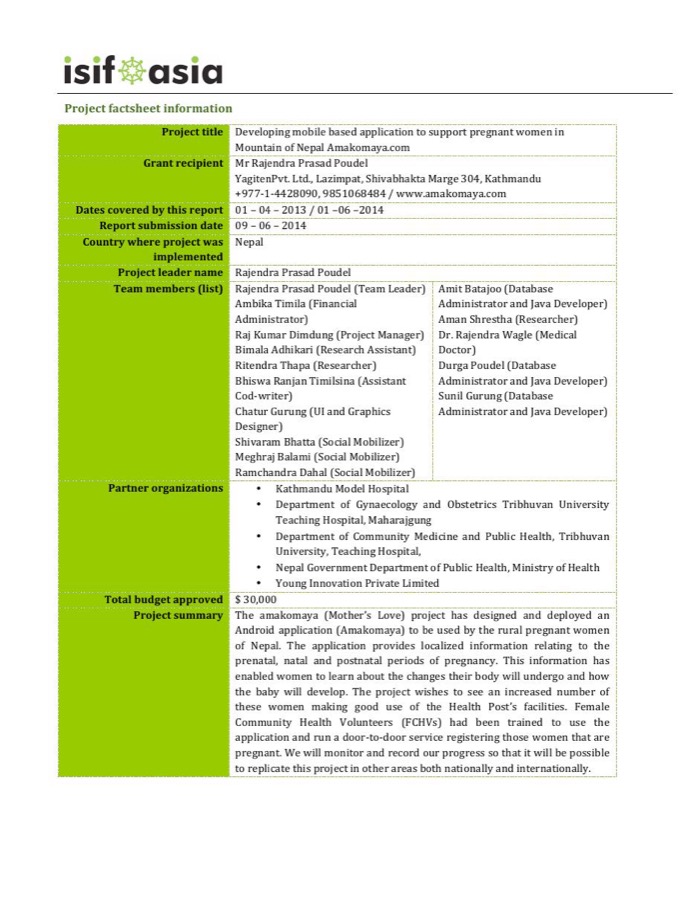
ISIF Asia technical report documents the field deployment

The grant’s second technical report, covering April 2013 to June 2014, records implementation across 7 VDCs and names Kathmandu Model Hospital, Tribhuvan University Teaching Hospital’s departments of Gynaecology and Obstetrics and of Community Medicine and Public Health, and the Department of Public Health at the Ministry of Health as partner organisations. The report identifies policy uptake by local government in Makwanpur district as a milestone of the period.

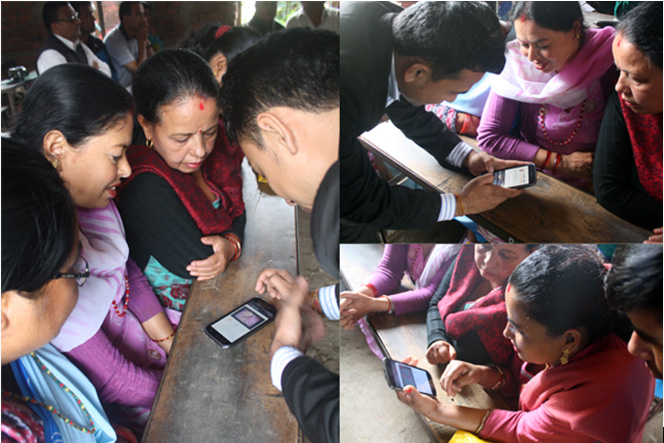
Women and a field worker looking at pregnancy content on a mobile phone together
The Amakomaya Project
Amakomaya project blog

Eighteen women in Dandagaun go online for the first time

The note reports that 18 pregnant women from Dandagaun village in Rasuwa used the internet on their own phones for the first time to download information matched to their stage of pregnancy, and that after the app was introduced in ten villages across Rasuwa, Nuwakot, Kaski and Myagdi more than 350 married women had registered for and downloaded pregnancy content.

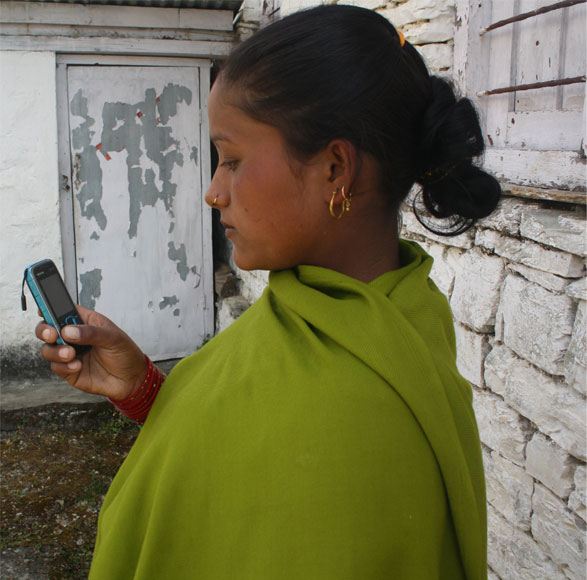
A young woman outside a stone house reading content on a feature phone
The Amakomaya Project
Amakomaya project blog

A teenager in Rasuwa clears her memory card to make room

The note describes Anu Gurung, 16, of Thulogau in Rasuwa asking for the folk songs and music videos she had collected to be deleted from the micro SD card in her phone so the maternal health content could be stored there instead.

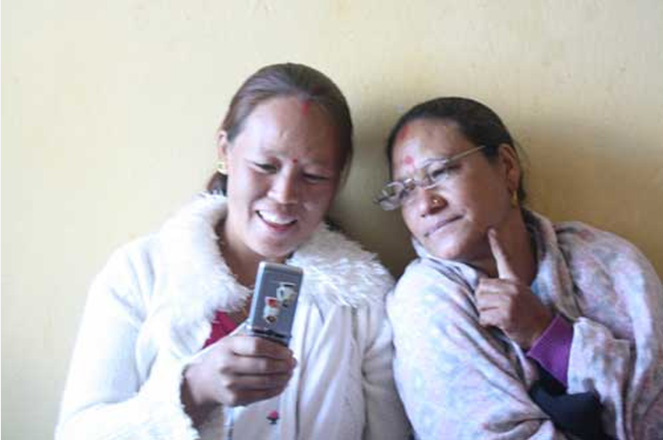
Two women looking together at pregnancy content on a mobile phone
The Amakomaya Project
Amakomaya project blog

A first-time mother in Myagdi on the audio and video clips

Writing up the Mother and Child Protection programme, the blog quotes Dhamanaya Sherpuja of Histan VDC in Myagdi, expecting her first baby, thanking the programme for the audio and video clips on safe motherhood.

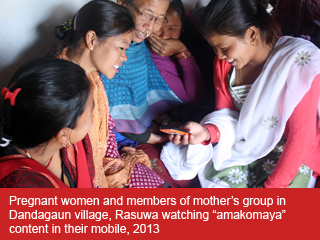
Pregnant women and members of a mothers’ group in Dandagaun, Rasuwa, watching content on a phone
The Amakomaya Project
Amakomaya project blog

A husband in Dandagaun buys a smartphone for the content

The note tells of Binod Poudel of Dandagaun spending NRs 6,000 (about US$60 at the time), a very high sum by local standards, on an Android phone so that his pregnant wife could reach the Amakomaya content.

Awards & Recognition

Recognition listed in the awarding body’s own published records.

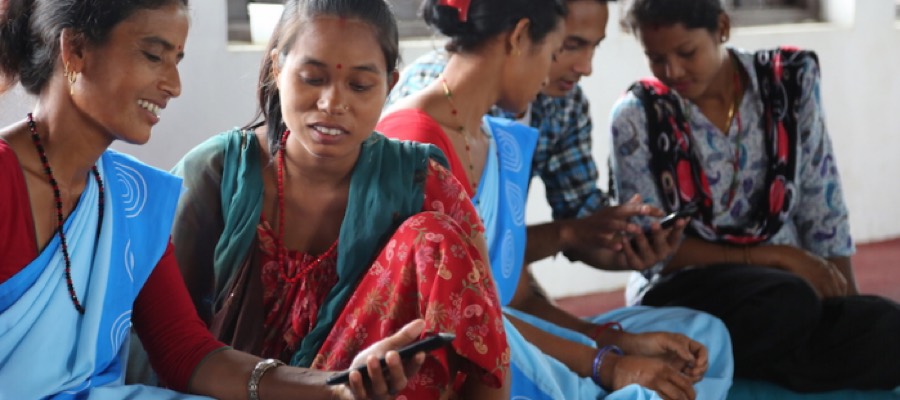
Female Community Health Volunteers seated together using mobile phones
ODESS — Fondation Pierre Fabre

Named a 2017 laureate of the Global South eHealth Observatory

The Observatory’s published list of laureates names Amakomaya among its 2017 recipients. The awards were presented at the Global South eHealth Observatory conference held by the Fondation Pierre Fabre, which honours eHealth initiatives from the Global South.

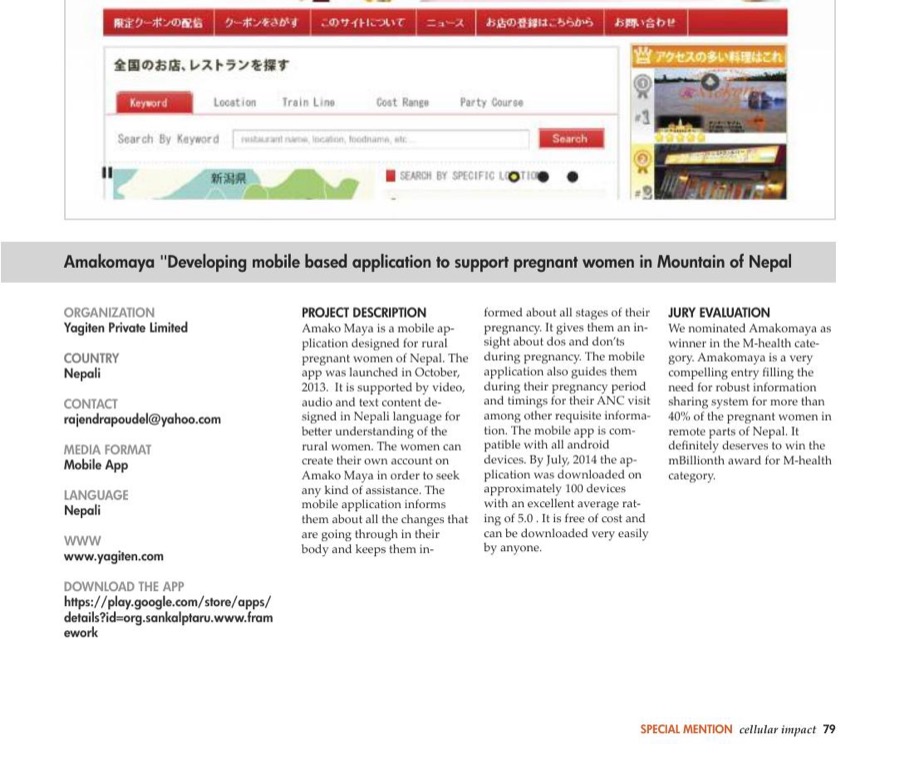
The Amakomaya entry as printed in the mBillionth Award Book 2014
Digital Empowerment Foundation
Digital Empowerment Foundation — mBillionth Award Book 2014 (PDF)

Special Mention in m-Health at the mBillionth Award South Asia

The award book for mBillionth South Asia 2014 lists Amakomaya under Special Mentions in the m-Health category, entered by Yagiten Private Limited of Nepal. The published jury evaluation calls it “a very compelling entry filling the need for robust information sharing system” for pregnant women in remote parts of the country.

Company Updates

Our own notes on deployments, events and platform work.

An Amakomaya HMIS implementation site
Amakomaya

DHIS2 HMIS deployment updates

Expanding our DHIS2-based HMIS footprint so health institutions across Nepal work from real-time data.

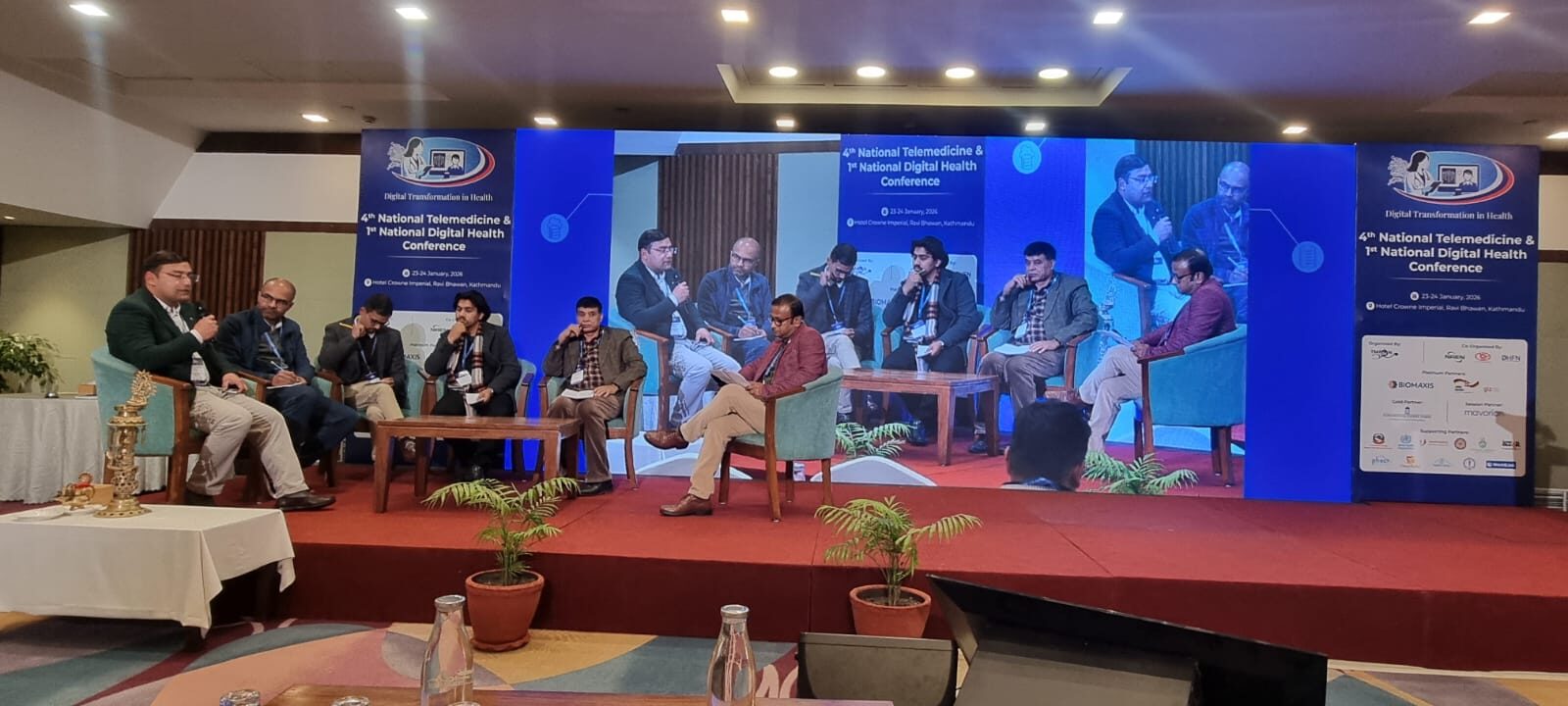
Panel discussion on building a sustainable digital HMIS for Nepal
Amakomaya

Better data, better decisions, better care

A session on building a sustainable digital HMIS for Nepal — what it takes for routine data to survive past a project cycle.

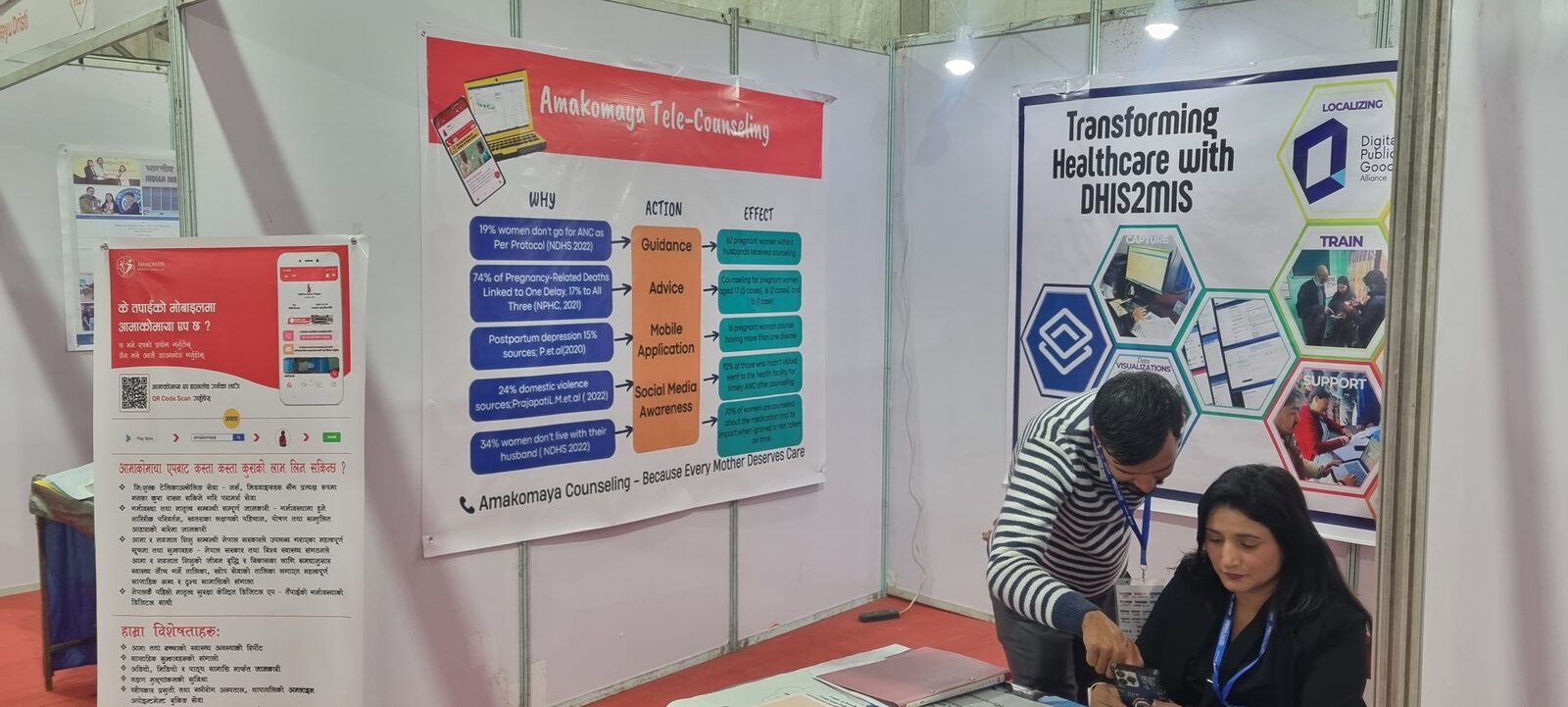
The Amakomaya stand at CAN Info-Tech
Amakomaya

CAN Info-Tech

Showing the platform at CAN Info-Tech, Nepal’s long-running technology exhibition.

Elsewhere

Other places the work shows up.

The film

A short film published by the Global South eHealth Observatory, introducing the maternal health platform.

Talks & sessions

Conference sessions and panels on digital health in Nepal — interoperability, DHIS2 and sustainable HMIS.

Follow for updates

We do not run a mailing list. Announcements and new writing are posted to the company LinkedIn page.

Get in touch with our team